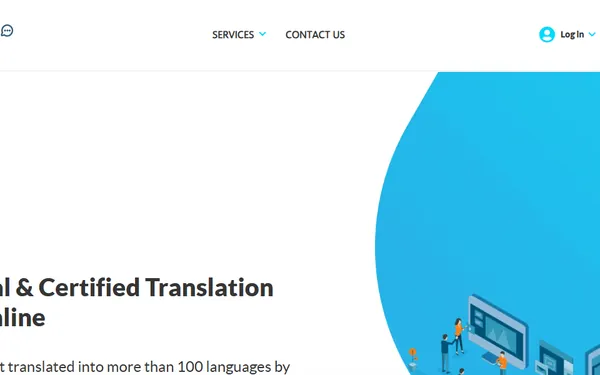
What made it awkward
A marketplace has to hold two audiences with opposite interests in one system, and keep an order moving between them: quote, accept, assign, deliver, pay. None of that fits a content management system. Once payment, job state and two sets of accounts are in play, the honest answer is that this is an application with a website attached, and it needs to be built as one.
What we built
- A Laravel application owning the order lifecycle, accounts and permissions
- A Vue.js front end for the parts of the flow that need to respond without a page load
- Stripe for payment, so card handling stays with a provider whose job that is
- Redis alongside the database for caching and queued background work
Stack
Where it stands
Live and running the full order lifecycle (quoting, payment and delivery) for both sides of the marketplace.
On the missing numbers
There are no percentage uplifts on this page. We do not publish a client's performance figures without their written permission, and we have not asked for it on these three. What you can check instead is the work itself: each site is live at the address given, doing the thing described. If you want measured results before committing to a project, ask us and we will go and request them from the client concerned.
The service behind it
This build is part of our Web development work. The rest of what we have delivered is on the portfolio page.
The other case studies
- Iowa LGBTQ Chamber: Membership and events platform
A chamber of commerce for LGBTQ-owned and allied businesses across Iowa. Its website has to do three jobs at once: explain the organisation well enough that a business decides to join, handle the membership itself, and run a calendar of events that members actually turn up to.
- EduQ: E-learning store with WooCommerce enrolment
A Dutch e-learning provider selling courses directly to learners, where the catalogue, the checkout and the course access all have to be one continuous flow rather than three systems introduced to each other by hand.